


Cardiovascular Risk Consulting Program
1. What Cardiovascular Risk Is
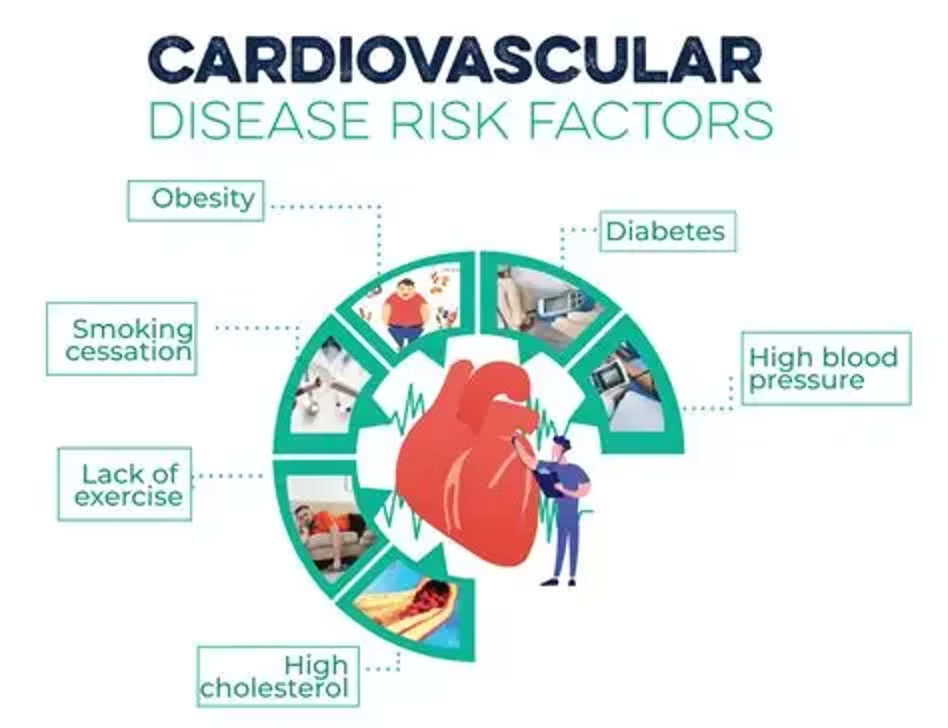
Cardiovascular risk is the probability of developing heart disease, stroke, or other vascular complications over the next 10 years. It reflects how the body responds to a combination of modifiable factors such as blood pressure, cholesterol, abdominal fat, smoking, stress, sleep quality, and diet.
- Cardiovascular risk — the likelihood of future heart or vascular events.
- Risk factors — elements that accelerate vascular ageing.
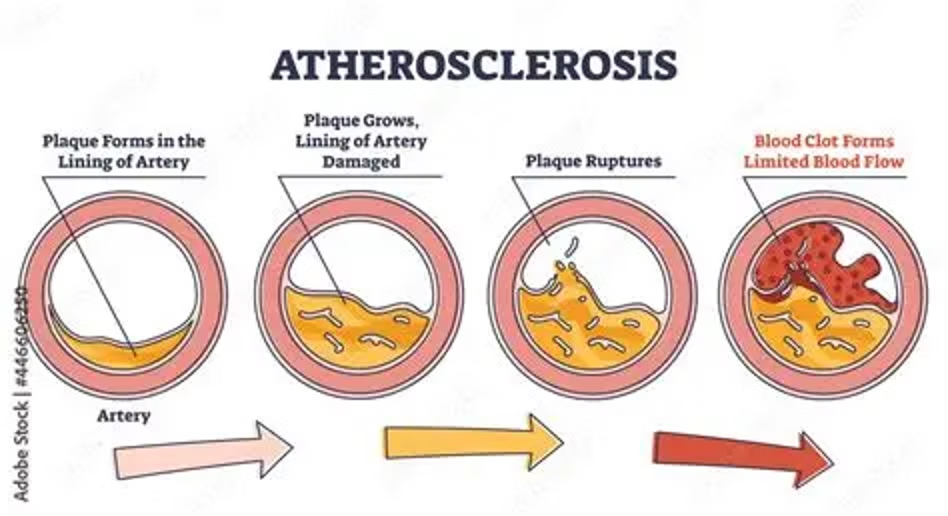
- Vascular ageing — how quickly arteries stiffen and accumulate plaque.
“Your heart’s future begins with the choices you make today.”
“Small daily changes create powerful long-term protection.”
“You are not reducing risk you are investing in your future self.”
“Every healthier meal is a message of care to your future heart.”
“Prevention is not sacrifice; it is empowerment.”
2. How Cardiovascular Risk Is Assessed
A. Clinical Measurements
- Blood pressure
- Pulse
- Waist circumference and BMI
- Blood lipids (non‑HDL cholesterol)
- Smoking status
- Personal and family history
B. Algorithmic Calculation
Tools such as SCORE2 estimate 10‑year risk of heart attack or stroke using age, sex, blood pressure, cholesterol, and smoking.
C. Clinical Adjustment
- Stress levels
- Sleep quality
- Sedentary behaviour
- Abdominal obesity
- Chronic inflammation
- Family history of premature cardiovascular disease
3. Why Cardiovascular Risk Assessment Matters
Early identification of risk allows:
- Prevention before disease appears
- Reduction of future medical costs
- Better long-term health planning
- Clear, personalised guidance
- Motivation for lifestyle change
- Personal and family history
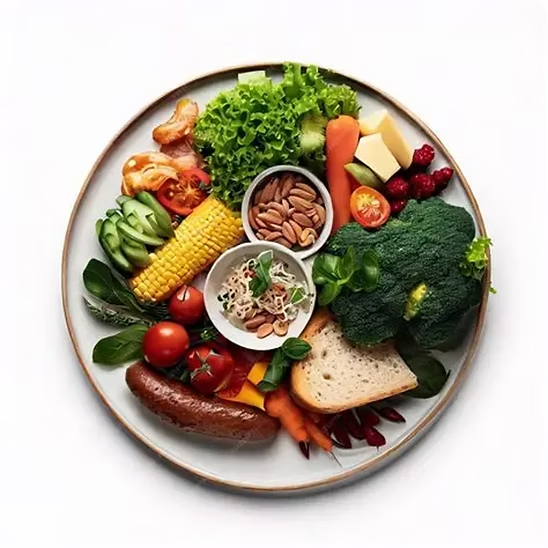
4. The Impact of Diet on Cardiovascular Risk
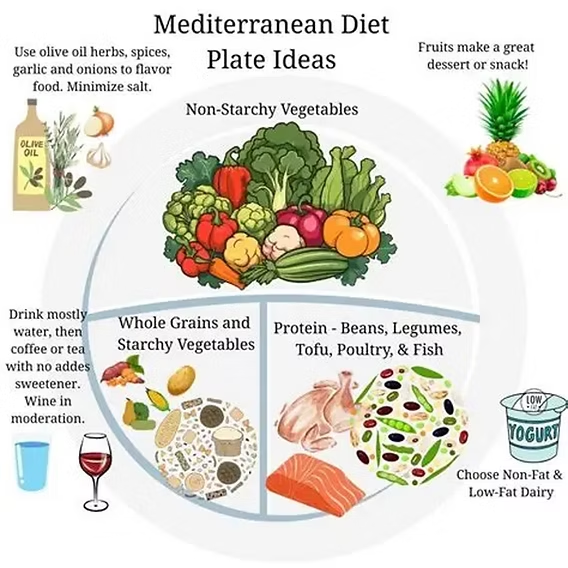
Nutrition is one of the strongest levers for reducing cardiovascular risk.
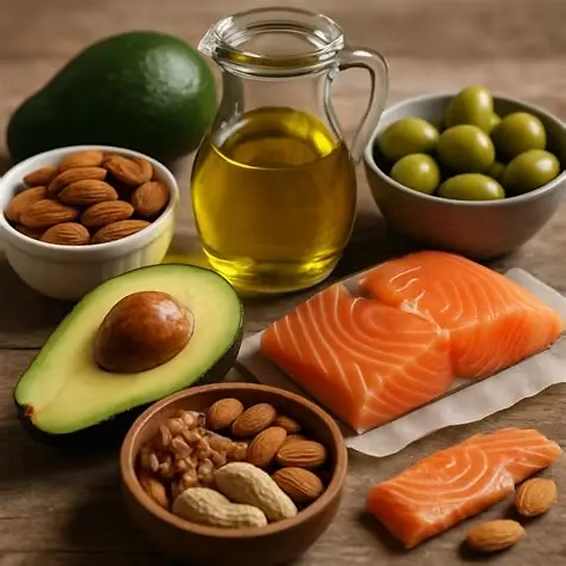
- Unsaturated fats lower LDL and non‑HDL cholesterol
- Fibre improves lipid profile and reduces inflammation
- Potassium-rich foods help reduce blood pressure
- Lower sodium and alcohol reduce hypertension
- Mediterranean-style eating reduces cardiovascular events by up to 30–40% in high‑risk individuals (based on major clinical trials) Diet influences nearly every variable in the risk equation.
5. Impact on the Citizen’s Future Health
- Lower probability of heart attack or stroke
- Better cognitive health
- Reduced risk of diabetes and kidney disease
- Greater vitality and functional capacity in later life
- Longer healthspan — not just lifespan This is future-proofing personal wellbeing.
Step 1 — Rapid Screening
- Onsite or digital assessment
- Immediate identification of high‑risk individuals
- Personalised risk score and vascular age
Step 2 — Personalised Guidance
- Nutrition plan aligned with evidence-based prevention
- Physical activity recommendations
- Stress and sleep strategies
- Behaviour‑change support
6. How the Consultancy Programme Works
Step 3 — Corporate Workshops
- Understanding cardiovascular risk
- Healthy eating in daily life
- Managing blood pressure and cholesterol
- Building sustainable habits
Step 4 — Organisational Reporting
- Aggregate risk profile
- Strategic recommendations for HR
- Guidance for long-term wellbeing policies